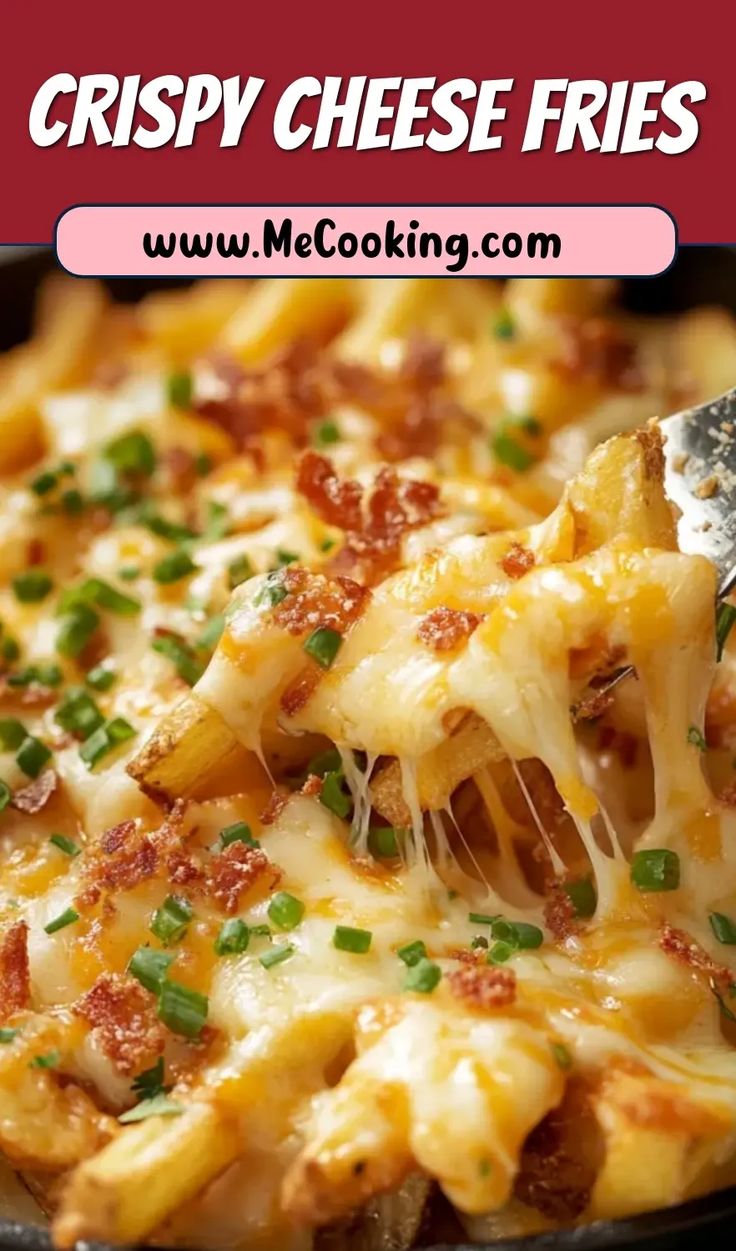
Secrets to Smooth Cheese Sauce & Crispy Fries Every Time
Who can resist the golden, gooey allure of perfectly homemade cheese fries? Whether you're craving quick weeknight comfort food, game-day crowd-pleasers, or a delightful side dish, mastering the art of cheese fries means achieving two critical components: irresistibly crispy fries and a velvety smooth cheese sauce. This comprehensive guide will unlock the secrets to creating that melty, crispy goodness every time, elevating your cheese fries recipe from good to unforgettable.
Gathering around the table for a hearty snack has never been more exciting. Cheese fries combine crispy, salty, and creamy textures in every bite, making them a universal crowd-pleaser. Forget soggy spuds and grainy cheese; we're about to dive into the techniques that guarantee perfection.
The Foundation of Flavor: Mastering Crispy Fries
The journey to epic cheese fries begins with the perfect base: the fries themselves. Their crispiness is paramount, providing that satisfying crunch against the rich, warm cheese sauce. There are several paths to achieving this, each with its own merits.
Choosing Your Fries: Fresh vs. Frozen
- Frozen Fries: For ultimate convenience, quality frozen fries are an excellent choice. They are often par-fried, meaning they just need to be heated and crisped. Look for brands that promise extra crispiness. They’ll crisp beautifully in the oven or air fryer while your sauce comes together, saving you valuable time.
- Fresh-Cut Fries: If you're feeling ambitious and want to truly make your cheese fries recipe from scratch, fresh-cut potatoes offer an unparalleled flavor and texture. Russet potatoes are ideal due to their high starch content, which yields a fluffy interior and crispy exterior.
Techniques for Maximum Crispiness
No matter if you choose fresh or frozen, these tips will ensure your fries reach their crunchy potential:
- Preheat, Preheat, Preheat: Always preheat your oven or air fryer to the recommended temperature (often 400-425°F or 200-220°C). A hot environment ensures the fries start cooking immediately, preventing them from soaking up oil and becoming soggy.
- Don't Crowd the Pan: This is perhaps the most crucial rule. Arrange your fries in a single layer on a baking sheet or in your air fryer basket. Overcrowding traps steam, leading to soggy, pale fries instead of golden, crispy ones. Use two sheets if necessary.
- A Touch of Oil: Even if using frozen fries, a light toss with a tablespoon of neutral oil (like canola or vegetable) can enhance crispiness and flavor. For fresh-cut fries, oil is essential.
- The Soak (for fresh fries): If making fresh-cut fries, soak them in cold water for at least 30 minutes (or up to a few hours) to remove excess starch. This step helps achieve that coveted crisp exterior. Pat them thoroughly dry before frying or baking – moisture is the enemy of crispiness!
- Seasoning: Salt immediately after cooking when the fries are hot. The heat helps the salt adhere better. Consider adding garlic powder, onion powder, or a dash of paprika for extra flavor.
Crafting the Dream: Secrets to a Silky Smooth Cheese Sauce
A truly great cheese fries recipe isn't just about crispy fries; it's about a cheese sauce so smooth and luscious, it coats every fry perfectly. The secret lies in a few fundamental techniques, starting with the classic French roux.
Understanding the Roux: Your Sauce's Best Friend
A roux is a mixture of cooked fat and flour, and it's the magical thickening agent for countless sauces, including your cheese sauce. It's usually cooked first, before any other ingredients are added, to eliminate the raw taste of flour.
- The Process: Start by melting a fat (butter is classic, but bacon drippings add incredible flavor, as highlighted in the reference) in a saucepan over medium-low heat. Once melted, gradually whisk in an equal amount of flour (e.g., 2 tablespoons butter to 2 tablespoons flour).
- Cooking Time: Cook the roux for 1-2 minutes, whisking constantly. You want a pale, bubbly paste. This step is crucial for cooking out the raw flour taste without browning it too much, which would change the color and flavor of your cheese sauce.
Selecting Your Cheese: The Heart of the Sauce
The type of cheese you choose significantly impacts the flavor and melt-factor of your sauce. For the smoothest results, avoid pre-shredded cheeses.
- Why Shred Your Own? Pre-shredded cheeses often contain anti-caking agents (like cellulose) that prevent them from clumping in the bag but can also make your sauce gritty or less smooth when melted. Freshly shredding your cheese will always yield a superior, silkier texture.
- Best Melting Cheeses:
- Cheddar: A classic for its sharp flavor and good melt. Mild, medium, or sharp work well.
- Monterey Jack: Offers a mild flavor and excellent meltability.
- Gruyère or Fontina: For a more sophisticated, nutty flavor and incredibly creamy texture.
- Cream Cheese: The reference specifically mentions cream cheese. It's a fantastic emulsifier that helps keep your sauce smooth and adds a lovely tang.
- Processed Cheese (e.g., Velveeta): While not "gourmet," it excels at creating an impossibly smooth, gooey sauce if that's the texture you're after.
- Flavor Combinations: Don't be afraid to mix and match! A blend of sharp cheddar and creamy Monterey Jack, or cheddar with a touch of cream cheese, creates a balanced and complex flavor profile.
The Art of Melting: Whisking Your Way to Velvety Perfection
Once your roux is ready, the liquid and cheese are added. This is where patience and constant whisking pay off.
- Add Liquid Gradually: Slowly whisk in your chosen liquid (milk, half-and-half, or even a light beer for a twist) into the roux. Start with a small amount, whisk until smooth, then add more gradually. Continue whisking until the sauce begins to thicken and is completely lump-free.
- Introduce Emulsifiers: If using cream cheese, whisk it in now until it's fully melted and incorporated. This helps stabilize the sauce and prevent it from breaking.
- Lower the Heat & Add Cheese: Reduce the heat to medium-low. This is crucial! High heat will cause the cheese proteins to seize and separate, resulting in a grainy sauce. Add the shredded cheese in small handfuls, whisking constantly after each addition until fully melted before adding more. This gradual melting allows the cheese to incorporate smoothly without clumping.
- Seasoning: Taste and season with salt, freshly ground black pepper, a pinch of cayenne for a subtle kick, or a dash of dry mustard powder (it enhances cheese flavor without adding a mustard taste).
Troubleshooting a Grainy Sauce: If your sauce becomes grainy, remove it from the heat immediately. Whisk in a tablespoon or two of warm milk or cream very vigorously. The added liquid and agitation can sometimes help re-emulsify the sauce.
Beyond the Basics: Irresistible Topping Combinations
Once you've mastered the crispy fries and smooth cheese sauce, the fun truly begins with toppings! This is where you can unleash your creativity and cater to any craving or occasion. From classic diner-style to bold global flavors, the possibilities are endless.
- The Classic Trio: Crispy fries, melted cheddar, smoky bacon, and a dollop of cool sour cream. A timeless combination that’s always a winner.
Pro Tip for Crispy Bacon: Place bacon strips in a cold pan and turn the heat no higher than medium. This slowly renders out all the drippings, resulting in extra-crispy bacon every time. - Spicy Jalapeño Kick: Combine crispy fries, gooey melted cheese, and thinly sliced fresh or pickled jalapeños for a spicy kick. Cool it down with sour cream, and consider serving with a side of guacamole for an extra layer of flavor. Explore more daring options in our guide: Explore Bold Cheese Fries: Jalapeño, Parmesan, & Global Flavors.
- Garlic Parmesan Perfection: A simple yet sophisticated twist. Toss hot fries with minced garlic and grated Parmesan cheese before adding your smooth cheese sauce. Serve with a side of ranch or aioli for dipping.
- Buffalo Bliss: For fans of spicy and savory, combine hot fries with melted cheese, a drizzle of zesty buffalo sauce, and a sprinkle of crumbled blue cheese or fresh chives.
- Unexpected Delights:
- Dill Pickle & Bacon: As mentioned in our reference, a homemade three-cheese sauce infused with bacon, chopped dill pickles, and a side of ranch dressing offers a delightful contrast.
- Chili Cheese Fries: Top with a hearty scoop of your favorite beef or veggie chili.
- Pulled Pork: Sweet and smoky pulled pork piled high on cheesy fries is pure indulgence.
- Caramelized Onions: Adds a sweet, savory depth.
- Seasonal Twists: Don't shy away from seasonal influences, like loaded pumpkin spice fries for a unique fall treat!
Pro Tips for Perfection & Serving
- Timing is Everything: The best cheese fries are enjoyed immediately. Have your cheese sauce ready to pour over freshly cooked, hot fries. This ensures maximum crispiness and optimal melt.
- Warm Serving Dish: For larger batches, lightly warm your baking sheet or serving platter before piling on the fries and sauce. This helps maintain temperature.
- Shareable Fun: Serve them straight from the baking sheet for a fun, casual, and shareable appetizer that's sure to disappear quickly.
- Garnish Generously: A final flourish of fresh herbs like chopped chives, green onions, or cilantro not only adds color but also a burst of freshness that cuts through the richness.
Conclusion
From quick weeknight dinners to game-day extravaganzas, mastering the cheese fries recipe means understanding the interplay between perfectly crispy fries and a silky smooth cheese sauce. By following these secrets – from proper potato preparation and careful oven temperatures to the science of a well-made roux and gradual cheese melting – you're now equipped to create cheese fries that are not just good, but truly unforgettable. So, gather your ingredients, fire up your oven, and get ready to dig into that irresistible melty, crispy goodness every single time. Happy cooking!
